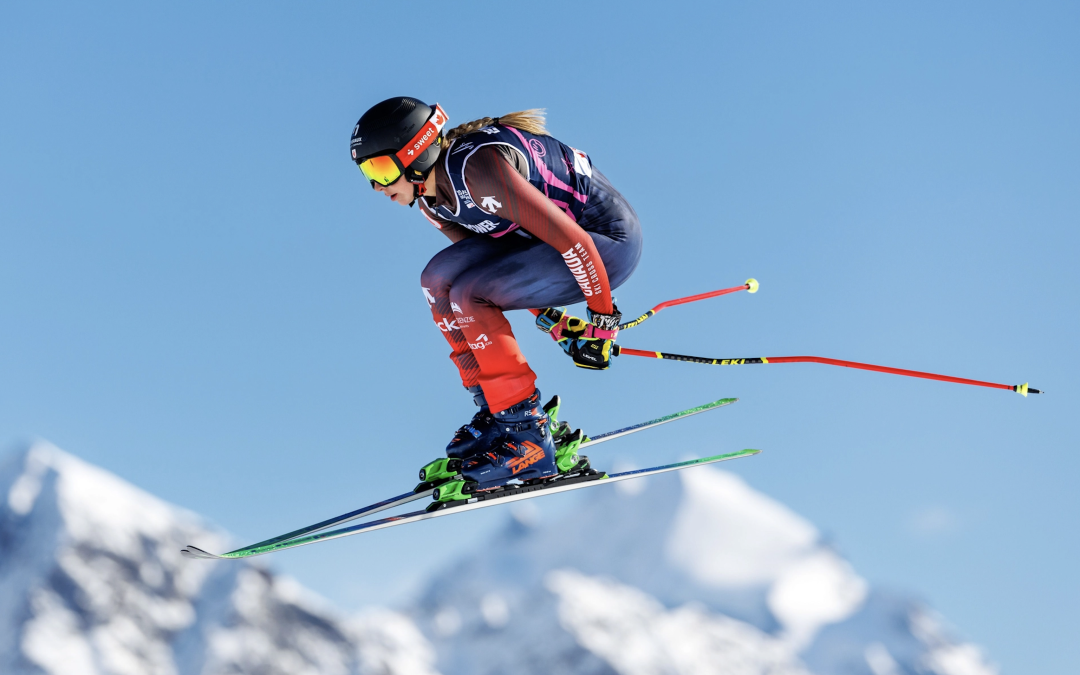
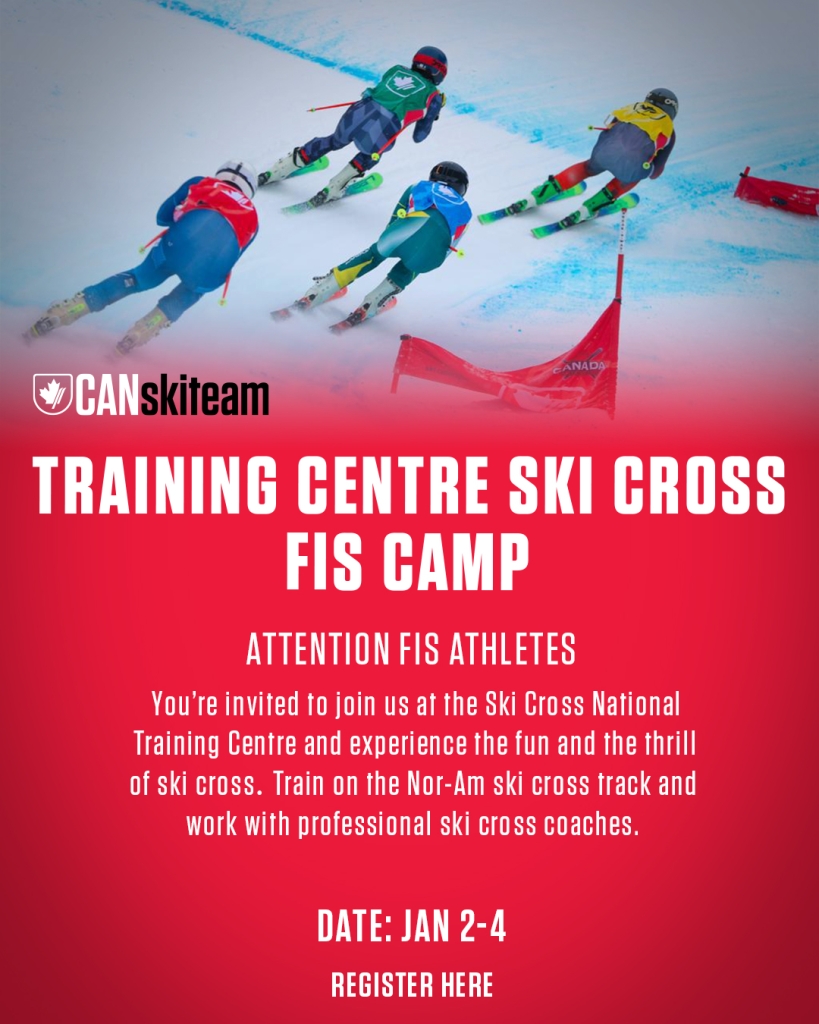
Alpine Canada is hosting a 3-day Training Centre Ski Cross (SX) Development Camp at Nakiska from January 2–4. This camp is designed for FIS-alpine athletes who are curious about ski cross and want a safe, supportive environment to develop SX fundamentals.
Athletes will have the chance to work with professional SX coaches on skills such as rollers, basic features, gliding, starts, and tactical movement. The goal is to help athletes experience SX in a development-focused environment where they can build confidence and learn transferable skills.
There will also be opportunity for Officials to learn more about officiating at ski cross event, as well as the opportunity to take a Level 2 SX Officials Course.See the link below to register.
Clubs: If three or more athletes register, we ask that a coach attend with them.
SX Coach Module on January 2, 2025.
SX Officials Level 2 on January 3, 2025.
This is a great opportunity for athletes to broaden their experience, gain exposure to ski cross, and develop new skills that support overall athletic growth.
The following story was submitted by the Canada West Ski Areas Association. BC Alpine thanks them for this outstanding awareness and learning opportunity.
Ski racers thrive on speed—but part of being an athlete is knowing where and when to use it. On the race course, speed belongs. On public runs, especially in congested areas, it can put others at risk. Younger skiers look up to racers—and coaches and patrol are watching. Remind your athlete that skiing in control and respecting the Alpine Responsibility Code protects their season, their reputation, and everyone on the hill.
Speed belongs on the race course
Ski areas across Canada are rolling out a new national initiative focused on speed and collision safety. The goal is to reduce injuries and strengthen the culture of safety on our slopes. For ski racers, this message is especially important—your skills make you stand out, but they also put you in the spotlight as role models.
On the race course is where athletes are meant to push their limits. But to access those courses, racers travel on public runs shared with beginners, families, and young kids learning to ski. What feels slow to a racer can be overwhelming—and dangerous—for others. Being able to adjust your speed and skiing style in these areas is a mark of a true athlete.
Positive ambassadors for the sport
Younger kids often look up to racers as examples of what they aspire to be. How you conduct yourself on the mountain—whether showing patience in lift lines, skiing in control through merge zones, or respecting others on the trail—shapes how others see the sport.
Coaches and ski patrol across the country are also paying close attention to speed. A pass pulled or, worse, a preventable injury could cut a season short.How you conduct yourself on the slopes – whether showing patience in lift lines, skiing in control through merge zones, or respecting others on the trail – helps shape how others see the sport and the community around it.
Reinforcing the Alpine Responsibility Code
The Alpine Responsibility Code (ARC) applies to every skier, no matter how experienced. For racers, key reminders include:
Always stay in control.
People ahead of you have the right of way.
Stop only where you are visible from above and not obstructing a trail.
Respecting these principles keeps everyone safe and demonstrates leadership beyond competition.
This season, ski areas are putting speed and collision safety front and centre. By skiing with awareness and leading by example, racers can help ensure the slopes are safe and welcoming for all—while keeping their focus where speed truly belongs: on the race course.
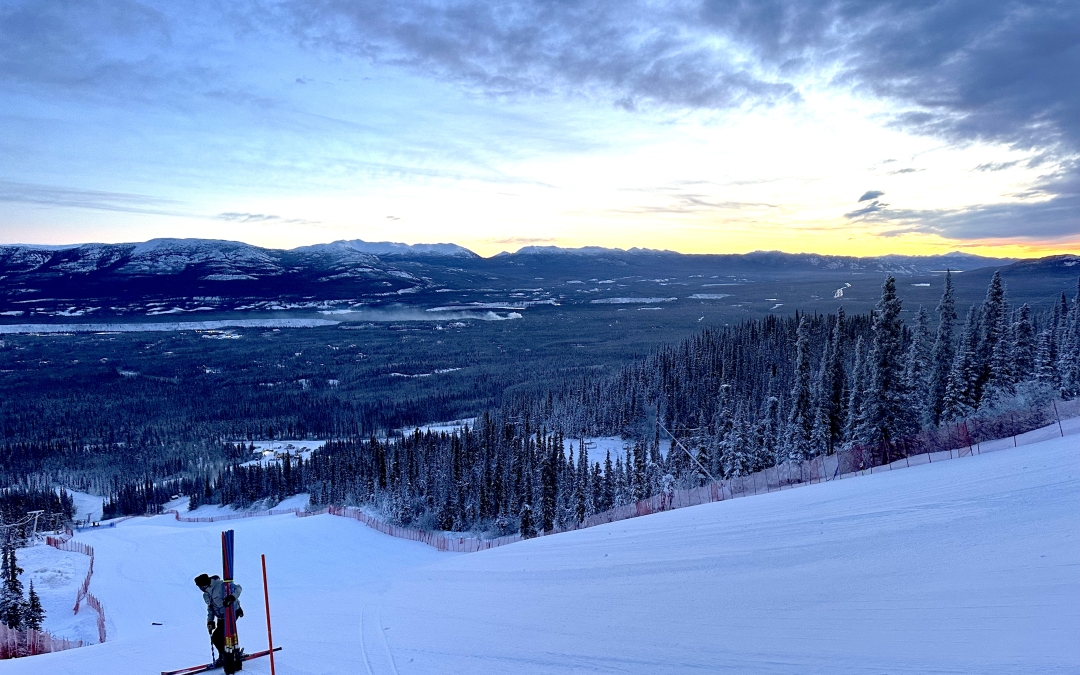
The BC Ski Team opened the new season with a gritty effort at the Aurora Cup at Mt. Sima, Yukon, going head-to-head with a strong field of University of Alaska NCAA athletes who dominated much of the podium this past weekend.
The event capped off a productive training block for several B.C. clubs and provincial athletes from across Western Canada, taking advantage of hard early-season snow, challenging terrain, and world-class hospitality.
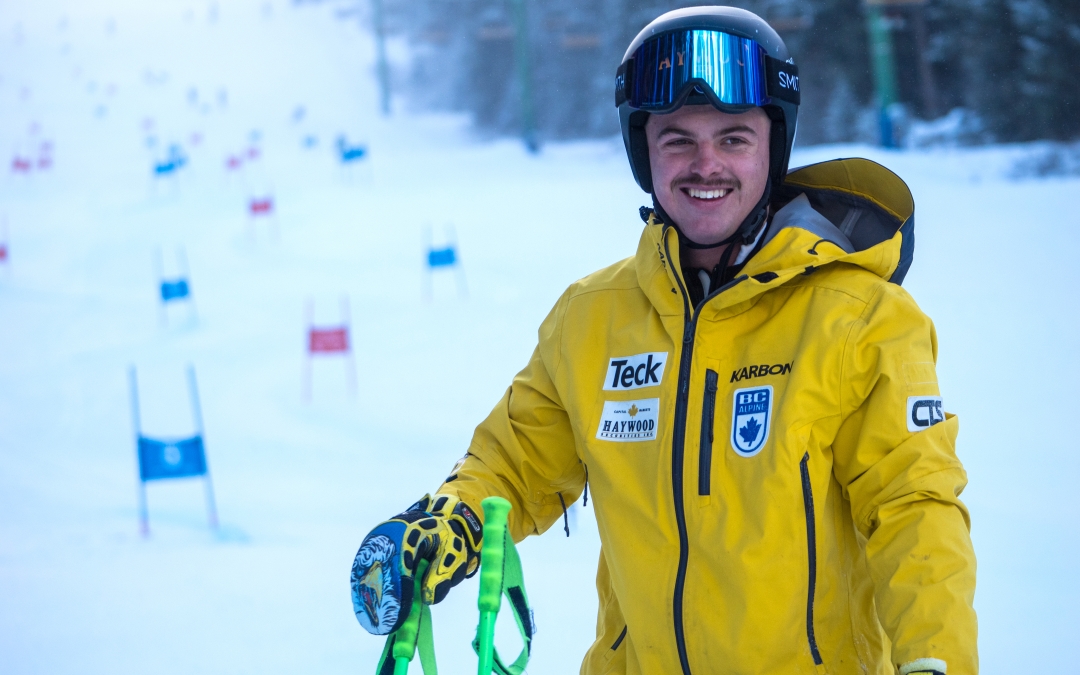
Former BCST racer Dylan Timm led the way with a silver medal in the men’s GS, while Baptiste Cais earned bronze in the slalom, backed by the second-fastest first run of the day. Dylan Stevens was the top current BCST skier in the GS, finishing sixth.
On the women’s side, Hannah Jensen claimed bronze in the slalom, while Lola Gilbert was the top BCST athlete in the GS, finishing sixth, just ahead of Jensen in seventh.
“The races were excellent,” said Johnny Crichton, BC Alpine VP, who was on site supporting the team. “The University of Alaska skiers brought the points, the snow was hard and grippy, and the trail was challenging with lots of terrain.”
According to Crichton, the provincial team’s goal was to work on executing a race plan in anticipation of the upcoming NorAm season, not to “chase points.”
Crichton praised the entire Mt. Sima experience, highlighting “incredible training, great hospitality and friendly people, lots of dogs and great food.” The indoor training facilities at the Canada Games Centre in Whitehorse were also a major bonus for teams preparing for the season.
All photos by Johnny Crichton.
BC Alpine clubs attending included:
Vancouver Ski Team
Cypress
Grouse Tyee
Kootenay Zone Team
Fernie Alpine Ski Team (U14 & U16)
Big White Racers (U16)
BC Ski Team
With strong early-season results, solid training conditions, and great energy from athletes and coaches, BC Alpine is heading into winter with momentum — and the 2025–26 season is officially underway.
Ski racers from B.C. continue to punch above their weight on the national stage.
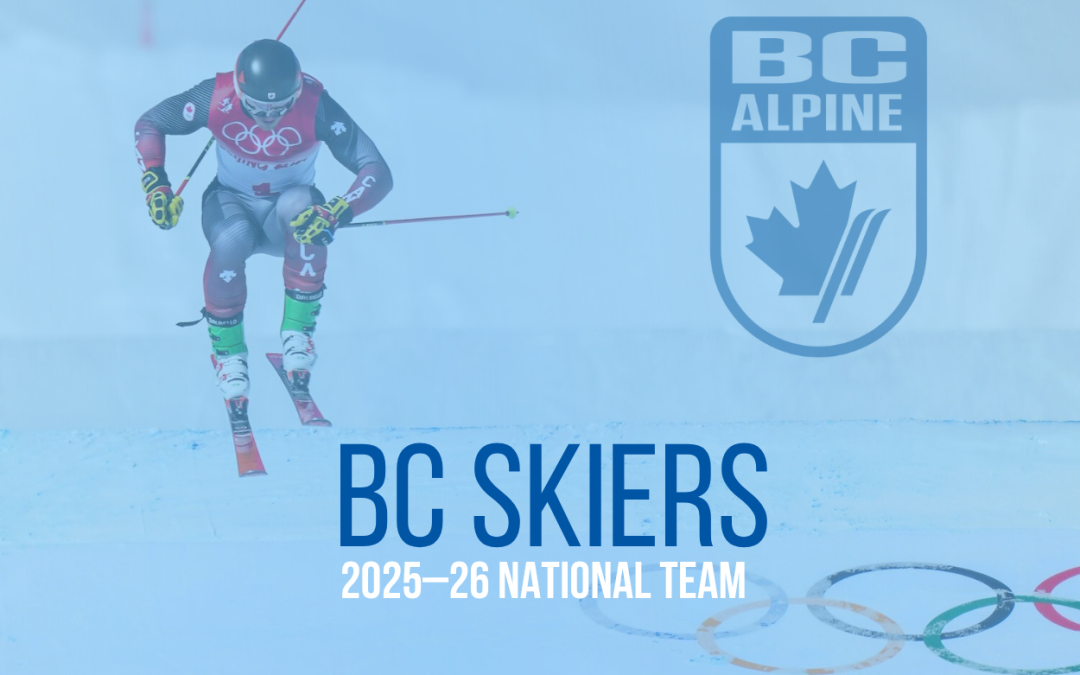
A total of 22 athletes from across the province — representing seven BC Alpine clubs — have been named to Canada’s alpine, ski cross and para-alpine national teams, making up an impressive 40 per cent of the national roster.
The announcement by Alpine Canada Alpin in late October confirmed 54 skiers across all disciplines, most of whom will compete on the FIS World Cup circuit this season. Their collective goal is to represent Canada at the 2026 Milano Cortina Olympic and Paralympic Winter Games.
“I couldn’t be prouder of these athletes and what they represent, not just for their home clubs, but for every young skier in B.C. chasing a dream,” said Johnny Crichton. “Their success speaks to years of commitment, belief, and teamwork from coaches, parents, and the whole ski community. Seeing so many of our skiers wear the maple leaf across different disciplines really shows the strength and diversity of our programs and the passion that runs through ski racing in British Columbia and I feel truly blessed to watch these athletes represent our amazing country, lets gooooo!
Alpine Canada is also inviting all Canadians to experience the best ski racing in the world in person at the two FIS World Cup events in Canada this season:
Women’s giant slalom races at Mont Tremblant, QC, December 6 and 7, 2025
Ski cross racing at Craigleith Ski Club, in Collingwood, ON, March 21-22, 2026
You can follow Canada’s national ski this season on Alpine Canada’s website, across its social media accounts and subscribe to the ACA newsletter.
BC Alpine will be facilitating a number of coaching courses over the coming weeks. Please see below for course details, along with a link to the event info and registration page.